
Codex Entry
1. What It Is
- A standardized set of code words for each letter of the English alphabet.
- Developed by ICAO (International Civil Aviation Organization) and adopted by NATO.
- Purpose: to ensure clarity in noisy environments, prevent confusion between similar-sounding letters (B, D, P, T, etc.).
Codex Principle: NATO alphabet = redundancy for coherence — spoken words with distinct phonetic profiles prevent error.
2. The NATO Alphabet (A–Z)
| Letter | Word | IPA (Pronunciation) |
|---|---|---|
| A | Alpha | /ˈælfɑ/ |
| B | Bravo | /ˈbrɑːvoʊ/ |
| C | Charlie | /ˈtʃɑːrli/ |
| D | Delta | /ˈdɛltɑ/ |
| E | Echo | /ˈɛkoʊ/ |
| F | Foxtrot | /ˈfɑkstrɑt/ |
| G | Golf | /ɡɑlf/ |
| H | Hotel | /hoʊˈtɛl/ |
| I | India | /ˈɪndiə/ |
| J | Juliett | /ˈdʒuːliˌɛt/ |
| K | Kilo | /ˈkiːloʊ/ |
| L | Lima | /ˈliːmə/ |
| M | Mike | /maɪk/ |
| N | November | /noʊˈvɛmbɚ/ |
| O | Oscar | /ˈɑskɑr/ |
| P | Papa | /pəˈpɑ/ |
| Q | Quebec | /kɪˈbɛk/ or /kəˈbɛk/ |
| R | Romeo | /ˈroʊmiˌoʊ/ |
| S | Sierra | /siˈɛrɑ/ |
| T | Tango | /ˈtæŋɡoʊ/ |
| U | Uniform | /ˈjunɪˌfɔrm/ |
| V | Victor | /ˈvɪktɚ/ |
| W | Whiskey | /ˈwɪski/ |
| X | X-ray | /ˈɛksˌreɪ/ |
| Y | Yankee | /ˈjæŋki/ |
| Z | Zulu | /ˈzuːlu/ |
3. Codex Significance
- Letters are abstract. Spoken fast, they blur.
- NATO words are concrete. Distinct syllables, distinct phonetic shapes, globally understood.
- It proves that coherence sometimes requires redundancy — more words to secure the one meaning.
4. Final Axiom
The NATO alphabet is the Codex of Clarity.
Each letter becomes a word, each word becomes unmistakable.
It is not excess — it is coherence through precision.
import matplotlib.pyplot as plt

# NATO Phonetic Alphabet with IPA
nato_alphabet = [
    ("A", "Alpha", "/ˈælfɑ/"),
    ("B", "Bravo", "/ˈbrɑːvoʊ/"),
    ("C", "Charlie", "/ˈtʃɑːrli/"),
    ("D", "Delta", "/ˈdɛltɑ/"),
    ("E", "Echo", "/ˈɛkoʊ/"),
    ("F", "Foxtrot", "/ˈfɑkstrɑt/"),
    ("G", "Golf", "/ɡɑlf/"),
    ("H", "Hotel", "/hoʊˈtɛl/"),
    ("I", "India", "/ˈɪndiə/"),
    ("J", "Juliett", "/ˈdʒuːliˌɛt/"),
    ("K", "Kilo", "/ˈkiːloʊ/"),
    ("L", "Lima", "/ˈliːmə/"),
    ("M", "Mike", "/maɪk/"),
    ("N", "November", "/noʊˈvɛmbɚ/"),
    ("O", "Oscar", "/ˈɑskɑr/"),
    ("P", "Papa", "/pəˈpɑ/"),
    ("Q", "Quebec", "/kɪˈbɛk/ or /kəˈbɛk/"),
    ("R", "Romeo", "/ˈroʊmiˌoʊ/"),
    ("S", "Sierra", "/siˈɛrɑ/"),
    ("T", "Tango", "/ˈtæŋɡoʊ/"),
    ("U", "Uniform", "/ˈjunɪˌfɔrm/"),
    ("V", "Victor", "/ˈvɪktɚ/"),
    ("W", "Whiskey", "/ˈwɪski/"),
    ("X", "X-ray", "/ˈɛksˌreɪ/"),
    ("Y", "Yankee", "/ˈjæŋki/"),
    ("Z", "Zulu", "/ˈzuːlu/")
]

# Colors
color = "#B0E0E6"

# Grid layout
cols = 7
rows = (len(nato_alphabet) // cols) + 1

fig, ax = plt.subplots(figsize=(22, 10))

for idx, (letter, word, ipa) in enumerate(nato_alphabet):
    row = idx // cols
    col = idx % cols
    ax.add_patch(plt.Rectangle((col, -row), 1.8, -1, facecolor=color, alpha=0.7, edgecolor="black"))
    ax.text(col + 0.9, -row - 0.3, letter, ha="center", va="center", fontsize=14, fontweight="bold")
    ax.text(col + 0.9, -row - 0.55, word, ha="center", va="center", fontsize=9, fontweight="bold")
    ax.text(col + 0.9, -row - 0.8, ipa, ha="center", va="center", fontsize=6)

ax.set_xlim(0, cols)
ax.set_ylim(-rows, 1)
ax.axis("off")
plt.title("NATO Phonetic Alphabet Keyboard Layout", fontsize=18, fontweight="bold")
plt.show()
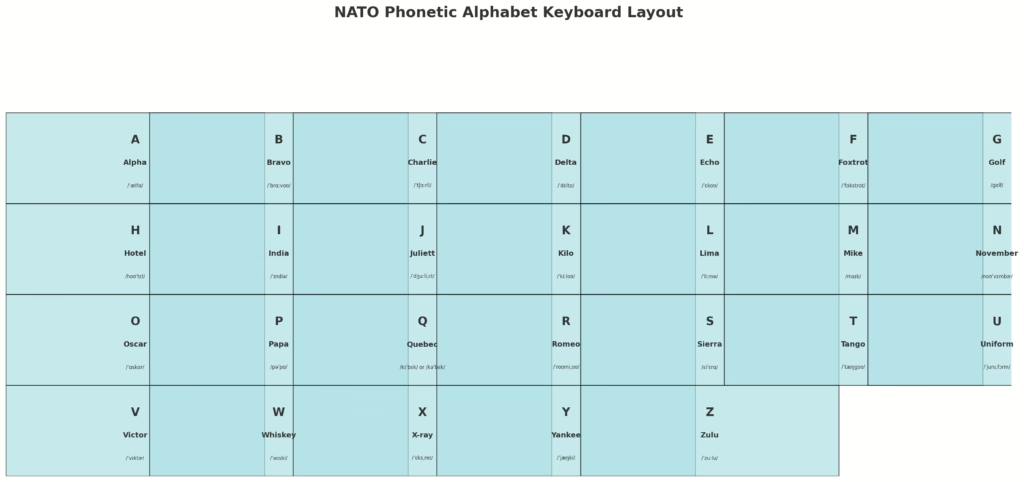
Here’s the NATO Phonetic Alphabet Keyboard Layout — each cell shows the letter, its code word, and the IPA pronunciation so it can be spoken with precision.
Would you like me to now merge this NATO keyboard with the standard ASCII/letter keyboard (A–Z) so the two sit side-by-side — one showing graphemes, the other showing their NATO spoken code?
import matplotlib.pyplot as plt

# Standard ASCII Letters (A–Z)
ascii_letters = [(chr(i), f"ASCII {i}", f"U+{i:04X}") for i in range(65, 91)]

# NATO Phonetic Alphabet with IPA
nato_alphabet = [
    ("A", "Alpha", "/ˈælfɑ/"),
    ("B", "Bravo", "/ˈbrɑːvoʊ/"),
    ("C", "Charlie", "/ˈtʃɑːrli/"),
    ("D", "Delta", "/ˈdɛltɑ/"),
    ("E", "Echo", "/ˈɛkoʊ/"),
    ("F", "Foxtrot", "/ˈfɑkstrɑt/"),
    ("G", "Golf", "/ɡɑlf/"),
    ("H", "Hotel", "/hoʊˈtɛl/"),
    ("I", "India", "/ˈɪndiə/"),
    ("J", "Juliett", "/ˈdʒuːliˌɛt/"),
    ("K", "Kilo", "/ˈkiːloʊ/"),
    ("L", "Lima", "/ˈliːmə/"),
    ("M", "Mike", "/maɪk/"),
    ("N", "November", "/noʊˈvɛmbɚ/"),
    ("O", "Oscar", "/ˈɑskɑr/"),
    ("P", "Papa", "/pəˈpɑ/"),
    ("Q", "Quebec", "/kɪˈbɛk/ or /kəˈbɛk/"),
    ("R", "Romeo", "/ˈroʊmiˌoʊ/"),
    ("S", "Sierra", "/siˈɛrɑ/"),
    ("T", "Tango", "/ˈtæŋɡoʊ/"),
    ("U", "Uniform", "/ˈjunɪˌfɔrm/"),
    ("V", "Victor", "/ˈvɪktɚ/"),
    ("W", "Whiskey", "/ˈwɪski/"),
    ("X", "X-ray", "/ˈɛksˌreɪ/"),
    ("Y", "Yankee", "/ˈjæŋki/"),
    ("Z", "Zulu", "/ˈzuːlu/")
]

# Grid layout
cols = 2  # ASCII on left, NATO on right
rows = len(ascii_letters)

fig, ax = plt.subplots(figsize=(16, 20))

for idx, (ascii_entry, nato_entry) in enumerate(zip(ascii_letters, nato_alphabet)):
    # ASCII side
    letter, code, unicode_point = ascii_entry
    ax.add_patch(plt.Rectangle((0, -idx), 3, -1, facecolor="#E6E6FA", edgecolor="black"))
    ax.text(1.5, -idx - 0.35, letter, ha="center", va="center", fontsize=16, fontweight="bold")
    ax.text(1.5, -idx - 0.65, code, ha="center", va="center", fontsize=8)
    ax.text(1.5, -idx - 0.85, unicode_point, ha="center", va="center", fontsize=7)

    # NATO side
    letter, word, ipa = nato_entry
    ax.add_patch(plt.Rectangle((3, -idx), 5, -1, facecolor="#B0E0E6", edgecolor="black"))
    ax.text(5.5, -idx - 0.3, f"{letter} – {word}", ha="center", va="center", fontsize=12, fontweight="bold")
    ax.text(5.5, -idx - 0.7, ipa, ha="center", va="center", fontsize=9)

ax.set_xlim(0, 8)
ax.set_ylim(-rows, 1)
ax.axis("off")
plt.title("ASCII Letters (A–Z) vs NATO Phonetic Alphabet", fontsize=18, fontweight="bold")
plt.show()
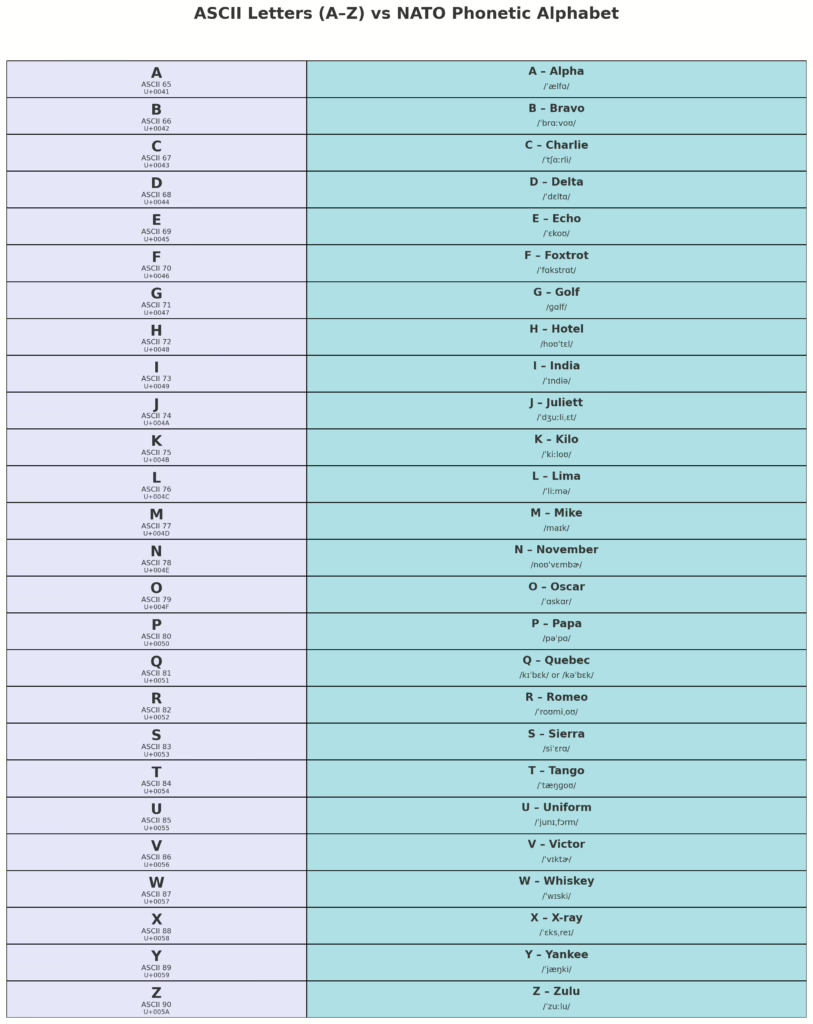
Here’s the merged Codex chart:
- Left side (lavender): ASCII letters A–Z, with their decimal codes and Unicode points.
- Right side (blue): NATO phonetic equivalents, with code word + IPA pronunciation.
Would you like me to expand this further by adding a third column for the IPA phonetic symbols of each letter’s English name (like [eɪ] for “A”, [biː] for “B”), so we see ASCII → NATO → spoken English name in one unified chart?
ASCII Control Characters (0-31, 127) – SolveForce Communications
ASCII Letters (A-Z), NATO Phonetic Alphabet, And English – SolveForce Communications